


The Basics
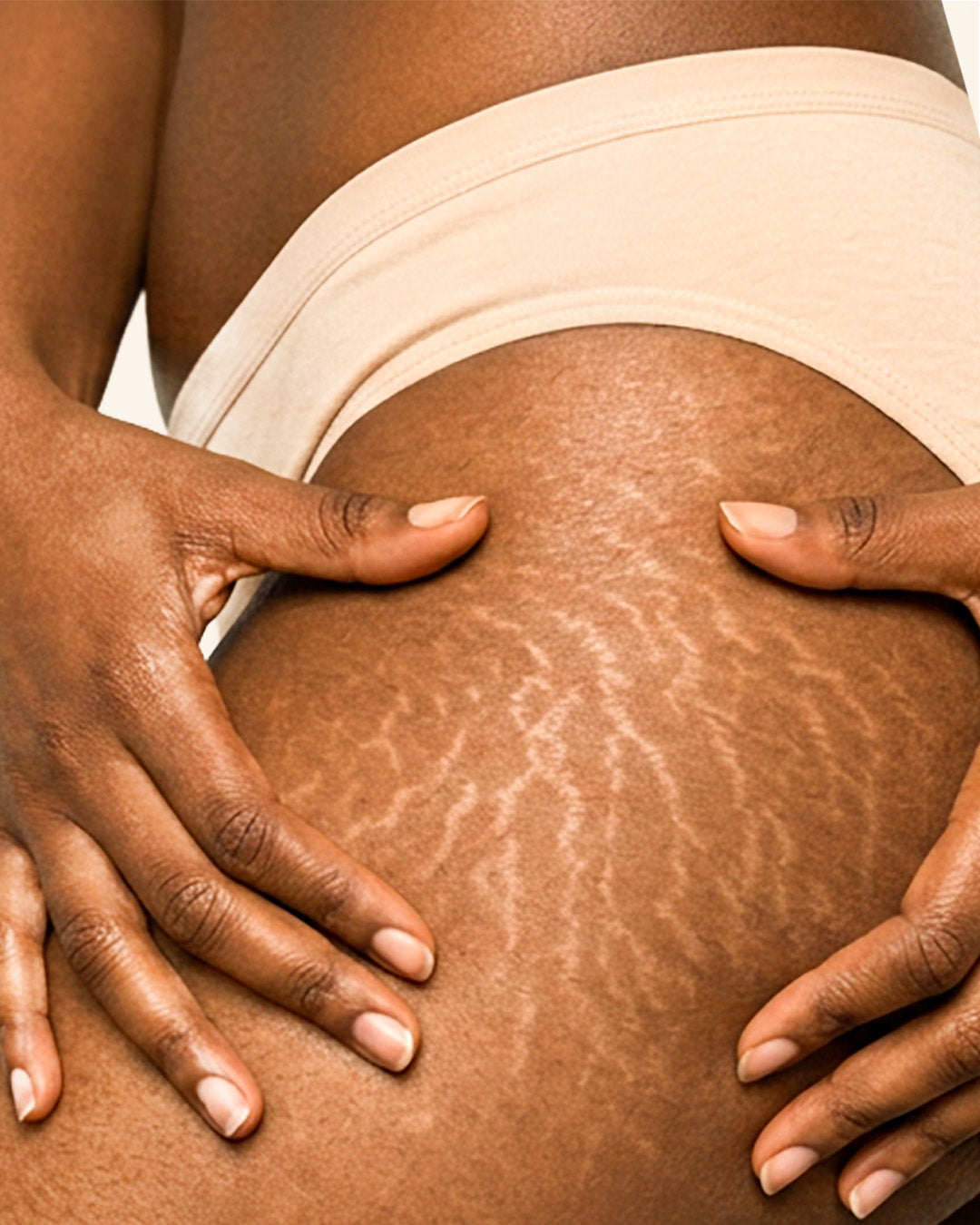
If you have stretch marks, you're in good company. About 80% of people, men and women alike, have them. They're one of the most common skin marks out there, and having them means absolutely nothing is wrong with you or your skin.
Yet for something so widespread, stretch marks are still widely misunderstood. Here's what's actually happening beneath the surface.
What Causes Stretch Marks?
Stretch marks form during periods of rapid growth, think pregnancy, growth spurts, muscle gain, or weight changes, when skin stretches faster than it can keep up. That rapid stretching causes the collagen bundles beneath your skin to pull apart. Once your body settles back into its new normal, the skin often shows that stress in the form of a wrinkled or striped scar: a visible reminder of the collagen structure that didn't quite bounce back on its own.
Pregnancy
Pregnancy changes your body quickly, and that rapid change is often what leads to stretch marks. As your belly expands to make room for your growing baby, especially in the final months, your skin stretches faster than it would with almost any other kind of weight gain. That fast stretching is what damages the collagen and elastic fibers underneath, creating the characteristic line-like marks on the surface.
Every pregnancy is different, and so is every stretch mark story. Genetics play a big role: if your mother or sister developed stretch marks during pregnancy, you may be more likely to as well. How much (and how deep) your stretch marks form also depends on factors like how much your skin needs to stretch, your baby's size, whether you're carrying multiples, and your amniotic fluid levels. That's why some women end up with noticeable stretch marks and others get through pregnancy without a single one. There's no "right" way for your body to respond.
The good news: prevention is possible. Using Trilastin Maternity Cream throughout your pregnancy helps keep your belly skin hydrated and supports collagen levels, so as your skin continues to stretch, it's better equipped to handle it without tearing.
"Trilastin has seriously changed my life! I'm 9 months pregnant with my second pregnancy and have noticed a huge difference in my stretch marks from my 1st pregnancy diminishing and no new ones with this pregnancy! With my first pregnancy, it looked like a tiger had gotten ahold of me from my hip bones to my belly button. It made me so self conscious. I'm so pleased with the results from my "prevention" regime that I'll continue to use these products after to help continue to get rid of past stretch marks!" — Emily
Weight Loss & Gain
When skin stretches rapidly due to weight gain, it can tear beneath the surface, and that tearing is what creates stretch marks. Often, those marks start forming during weight gain but don't become visible until after weight is lost. Rapid weight loss adds another layer: excess skin can pull and weigh down on itself, causing even more stretching and tearing. Because this type of change is less predictable than something like pregnancy, it's harder to prevent stretch marks from forming in the first place.
While prevention is tricky here, treatment is still very possible. Trilastin Intensive Treatment Cream is designed to fade the appearance of stretch marks caused by weight gain and loss. It works by thickening the top layer of skin where stretch marks form, making it less translucent and visibly softening those lines over time.
"I ordered Trilastin because I was tired of looking at the stretch marks I had after very successfully losing a lot of weight. Although I was extremely happy with my new body, the reminder of the past weight stayed with me. Trilastin has dramatically changed the appearance of the stretch marks and to this day I continue to use Trilastin to further diminish the scars. This is a great product!" — Jonathan
Stretch Mark Myths & Facts
Myth: You can't do anything about stretch marks.
Yes, you can! Being proactive with the right products helps keep skin hydrated and elastic, making it less likely to tear and form stretch marks, even during pregnancy. Trilastin Maternity Stretch Mark Prevention Cream is the ultimate defense for your growing belly.
If stretch marks do appear, research shows that certain products and treatments can improve how they look and feel. Trilastin Intensive Treatment Cream is formulated with actives like Niacinamide and Vitamin C to help visibly fade the appearance of existing stretch marks. Paired with our Hydro-Thermal Accelerator, which helps deliver those actives deeper into the skin, results can be even more noticeable.
Myth: Only overweight people get stretch marks.
Fact: There are several ways people can get stretch marks. While overstretched skin from rapid weight gain is one cause, stretch marks also happen during pregnancy, growth spurts, or anytime skin stretches too far too quickly. In fact, some of the people we'd normally consider to be living the healthiest lifestyles, like athletes and bodybuilders, can be among the most affected.
Myth: Only women get stretch marks.
Fact: Women do get stretch marks more often, but about one in four men get them too. Boys can also develop them during rapid growth in puberty, and people of either sex can get stretch marks if they gain weight or build muscle mass too quickly.
Myth: Losing weight will make your stretch marks disappear.
Fact: nfortunately, losing weight doesn't mean you'll lose the stretch marks. In fact, weight loss can sometimes make stretch marks more noticeable, since the skin becomes looser and less taut. Using Trilastin Intensive Treatment Cream can help firm and tighten the skin, softening the appearance of stretch marks in the process.
Shop Stretch Mark Solutions
-
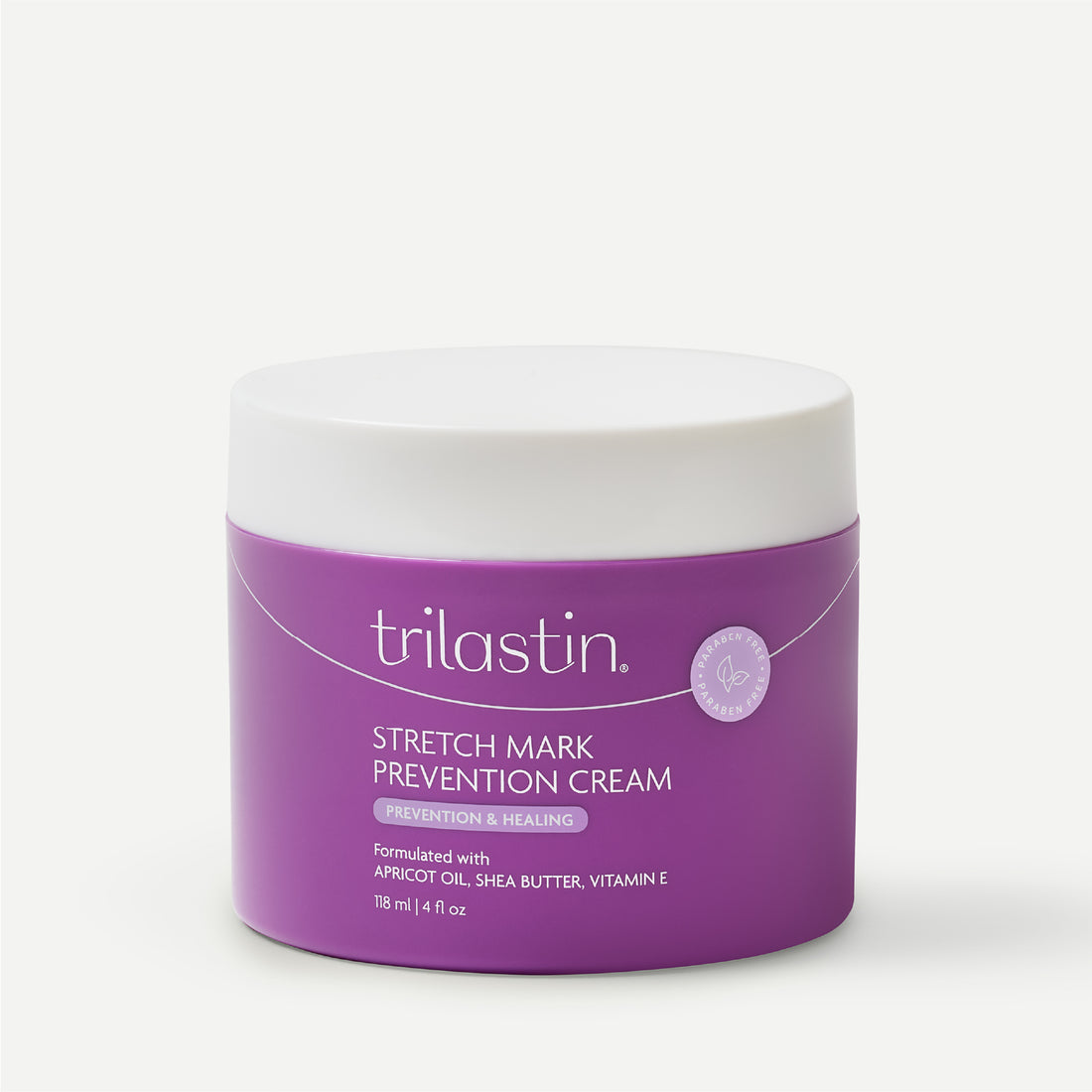 Stretch Mark Prevention CreamStretch Mark Prevention Cream
- Regular price
-
$46.00 - Regular price
-
- Sale price
-
$46.00
Rated 4.9 out of 5 stars4.9 Stars (554 Reviews) -
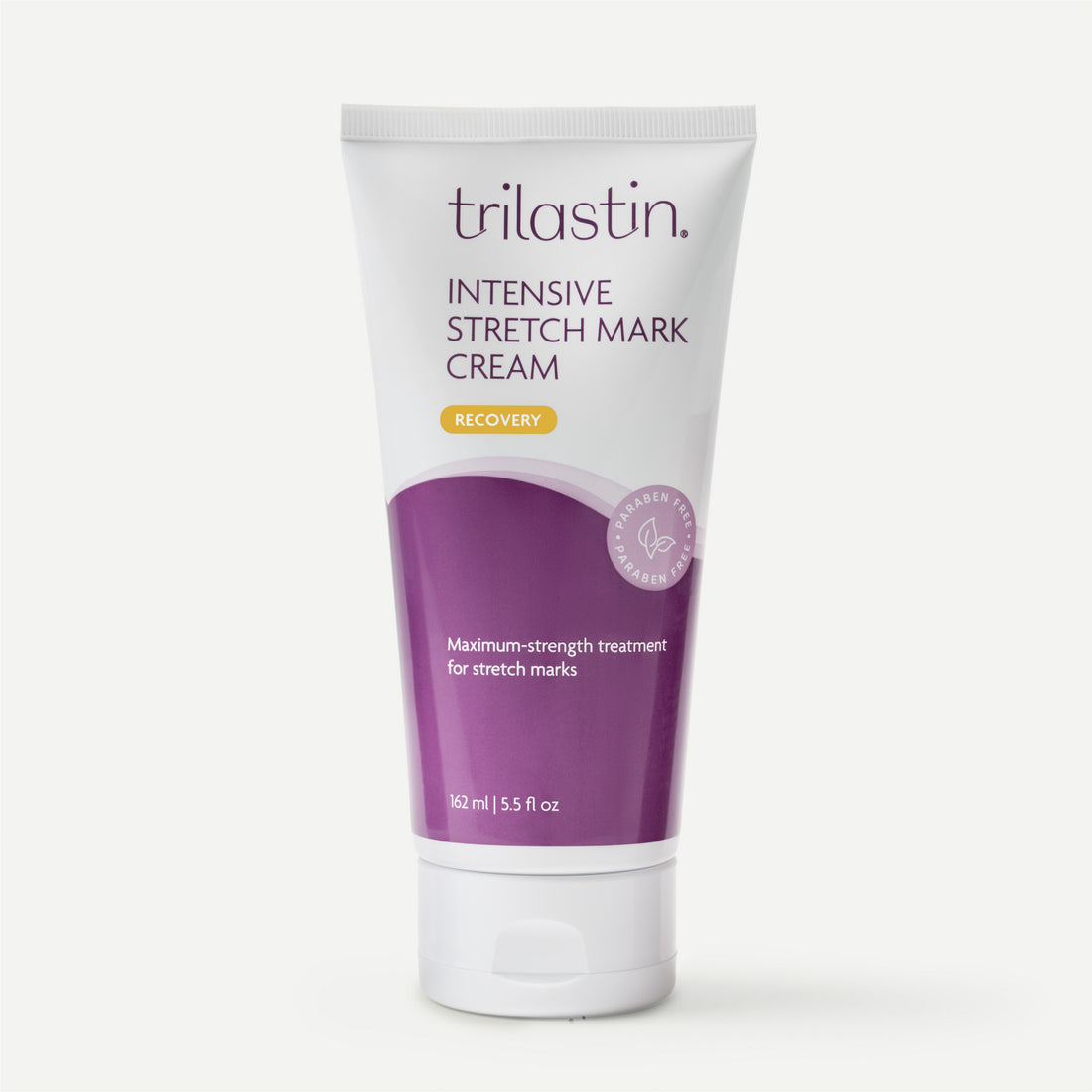 Back In StockIntensive Firming Stretch Mark CreamIntensive Firming Stretch Mark Cream
- Regular price
-
$58.00 - Regular price
-
- Sale price
-
$58.00
Rated 4.7 out of 5 stars4.7 Stars (101 Reviews) -
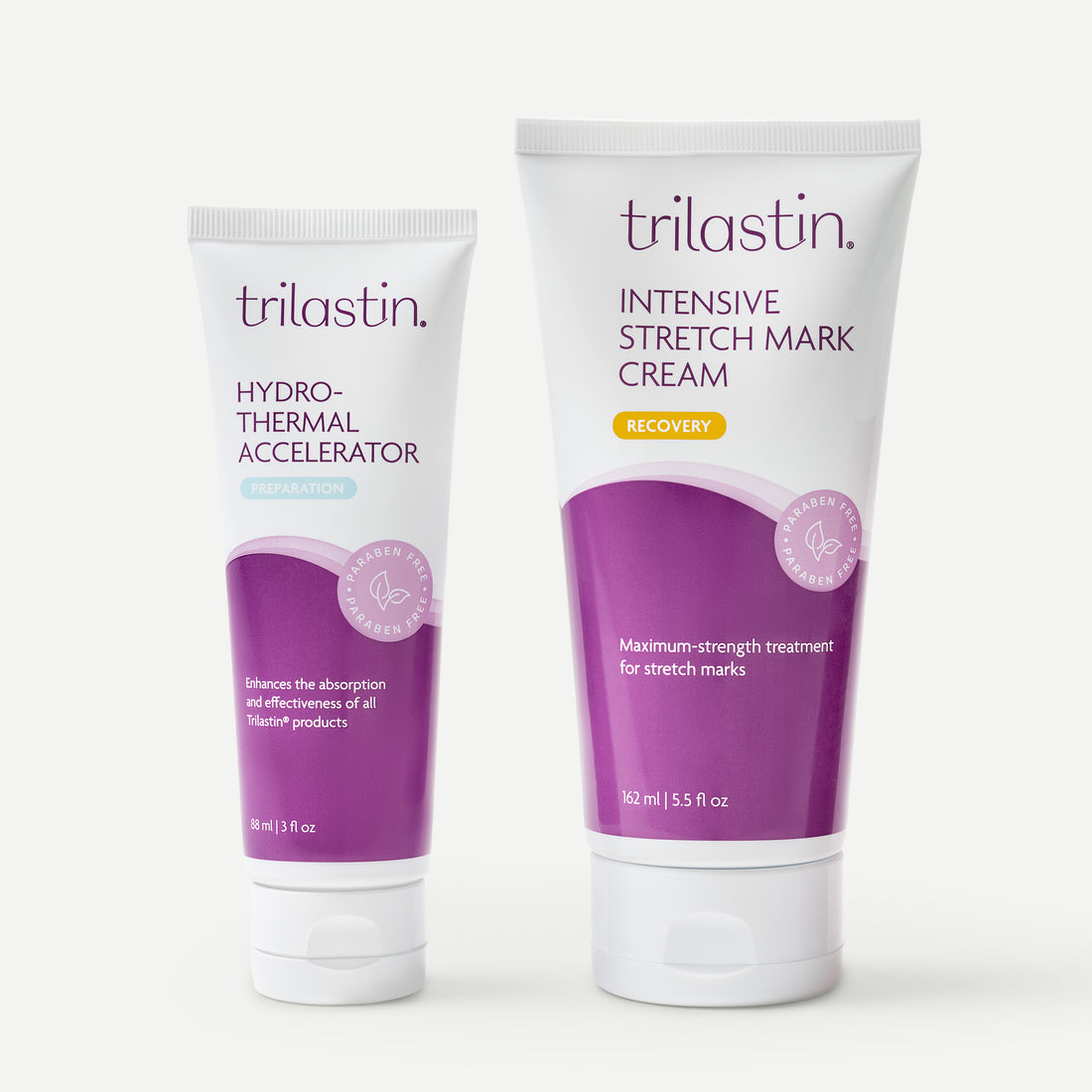 25% SavingsStretch Mark Treatment RoutineStretch Mark Treatment Routine
- Regular price
-
$72.00 - Regular price
-
$84.00 - Sale price
-
$72.00
Rated 4.7 out of 5 stars4.7 Stars (95 Reviews) -
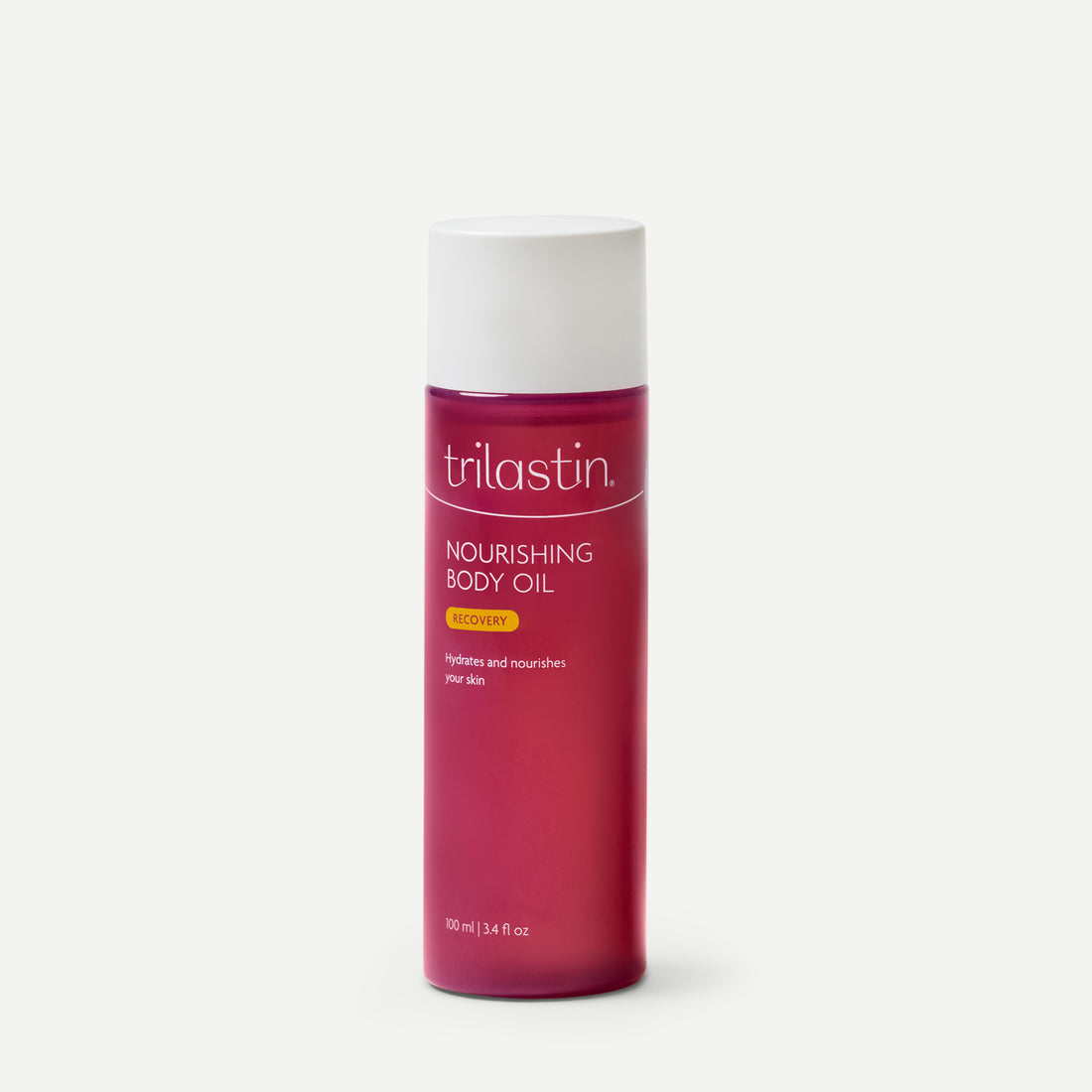 Nourishing Body OilNourishing Body Oil
- Regular price
-
$28.00 - Regular price
-
- Sale price
-
$28.00
Rated 4.8 out of 5 stars4.8 Stars (24 Reviews)
